Atomic Habits
by James Clear · 2018
In a nutshell
A bestselling book by James Clear that, while not exclusively about startups, is widely recommended for founders for its practical framework on building systems, compounding small improvements, and creating habits that support long-term entrepreneurial success.
Atomic Habits
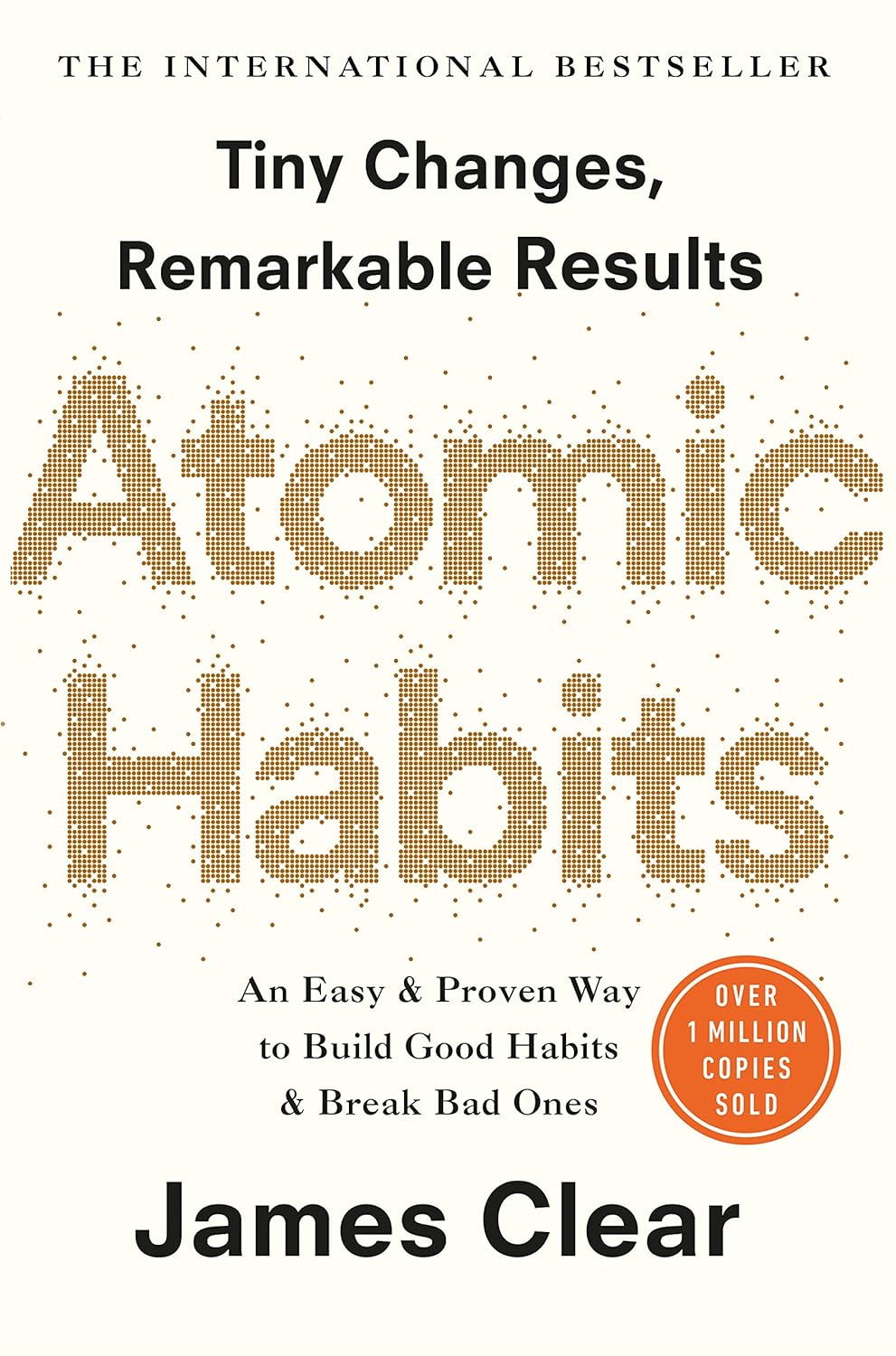
Category: Personal Development
Brand / Publisher: Penguin Random House
Slug: atomic-habits
Tags: habits, productivity, personal-growth
Overview
Atomic Habits by James Clear is a bestselling personal development book that provides a practical, system-focused framework for building and sustaining good habits, breaking bad ones, and leveraging small daily improvements for significant long-term outcomes. While not written specifically for startups, it is frequently recommended for founders who want to design routines and environments that support sustained entrepreneurial performance and long-term success.
Features
- Systems over goals: Emphasizes building reliable systems and processes rather than relying solely on outcome-based goals.
- Focus on small improvements: Shows how tiny, consistent changes compound over time into substantial results.
- Habit formation framework: Provides a step-by-step model for creating and maintaining habits that align with long-term objectives.
- Breaking bad habits: Offers strategies for identifying and dismantling unproductive or harmful routines.
- Environment design: Highlights how shaping your physical and social environment can make good habits easier and bad habits harder.
- Behavioral psychology insights: Draws on principles of human behavior to explain why habits stick and how to make changes sustainable.
- Actionable exercises: Includes practical techniques and examples that readers can apply immediately to personal and professional life.
- Entrepreneurial relevance: Helps founders develop habits around focus, execution, learning, and resilience that contribute to long-term startup success.
Use Cases for Startup Founders
- Building consistent work and learning routines to navigate the uncertainty of early-stage startups.
- Creating team habits that support productivity, accountability, and continuous improvement.
- Reducing burnout by designing sustainable daily practices rather than relying on sporadic bursts of effort.
Images
- Primary cover:
- Alternate cover:
Pricing is not specified in the provided content. For current pricing and formats, refer to the publisher or major book retailers.
Reference
Atomic Habits — publisher / official page. Summary adapted from the Awesome Startup Books collection.
If you like this, read
12 Rules for Life
Jordan Peterson's 12 Rules for Life equips entrepreneurs with principles for personal growth emphasizing responsibility, truthfulness, and strong relationships to overcome failure and chaos in startup life. Key mindset shifts include standing up straight with shoulders back and pursuing meaning over happiness, fostering resilience amid business pressures. Vs Atomic Habits, it focuses on profound philosophical rules rather than incremental behaviors.
Common Sense Business for Kids
Kathryn Daniels' book builds entrepreneurial mindset in young minds through basic business principles, promoting personal growth via early habits of value creation and problem-solving. Use case: Instilling resilience against failure from childhood for future founders. Vs Atomic Habits, it focuses on foundational business thinking over personal productivity.
Dedicated: The Case for Commitment in an Age of Infinite Browsing
Pete Davis urges entrepreneurs to commit deeply to ventures amid option overload, shifting mindset from browsing to dedication for personal growth and long-term success. Use case: Overcoming startup indecision and building resilience through sustained focus. Vs Atomic Habits, it advocates bold commitments over small daily actions.
From Strength to Strength: Finding Success, Happiness, and Deep Purpose in the Second Half of Life
Arthur Brooks guides aging entrepreneurs from fluid intelligence peaks to wisdom-based fulfillment, mindset shift to service and detachment for personal growth post-peak career. Use case: Overcoming midlife success decline by mentoring and connecting deeply. Vs Atomic Habits, it focuses on life-stage transitions over daily routines.
Four Thousand Weeks: Time Management for Mortals
Oliver Burkeman's Four Thousand Weeks liberates entrepreneurs from productivity obsession, shifting mindset to embrace finitude, prioritize essentials, and find joy in limits for sustainable personal growth. Key use case: Overcoming FOMO and burnout by choosing meaningful work amid infinite tasks. Vs Atomic Habits, it rejects optimization hacks for philosophical acceptance.
Mindset: The New Psychology of Success
Carol Dweck's Mindset transforms entrepreneurs from fixed to growth mindset, embracing challenges and failures as growth opportunities for personal development and startup resilience. Key shift: Effort over innate talent to master skills amid pivots and setbacks. Vs Atomic Habits, it rewires beliefs about ability rather than building routines.