Lying
by Sam Harris · 2011
In a nutshell
Philosophical and practical exploration of honesty that argues for radically reducing or eliminating lies, offering startup founders a framework for building cultures of trust, integrity, and clear communication with co‑founders, employees, and investors.
Lying
Category: Others
Brand: devnull
Source:
Overview
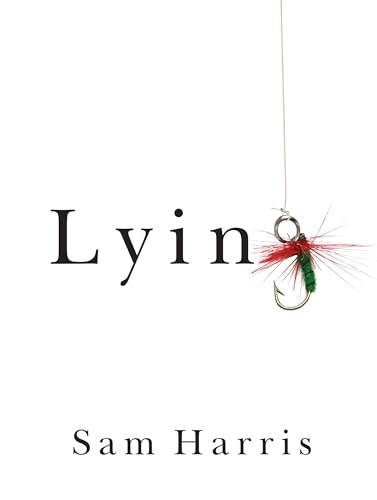
“Lying” is a philosophical and practical examination of honesty. It argues for radically reducing or eliminating lies in personal and professional life, and is recommended for startup founders as part of a YC-endorsed reading list.
Features
- Focus on honesty and integrity
Explores why telling the truth (or saying nothing) is almost always preferable to lying. - Framework for founders
Provides a lens for startup founders to think about truthfulness in relationships with co‑founders, employees, customers, and investors. - Culture-building guidance
Offers ideas for building a company culture rooted in trust, integrity, and clear, direct communication. - Practical decision-making
Encourages founders to examine "white lies," omissions, and spin, and to consider long‑term effects on credibility and team morale. - Ethical perspective
Discusses the moral and philosophical implications of lying vs. radical honesty in modern life and business. - Communication clarity
Emphasizes transparent communication as a foundation for effective collaboration and stakeholder alignment.
Ideal For
- Startup founders and leaders
- Early-stage teams setting company values
- Anyone interested in the ethics and practice of honesty in professional contexts
No pricing information is provided in the source content.
Reference
Lying — publisher / official page. Summary adapted from the Awesome Startup Books collection.
If you like this, read
Trillion Dollar Coach
Trillion Dollar Coach imparts founders leadership lessons from Bill Campbell on team-first culture, trust-building, and coaching for scaling trillion-dollar companies. Key use cases include high-impact 1-on-1s, radical candor feedback, and fostering psychological safety in team building. Compared to High Output Management, it prioritizes relationships and emotional intelligence over operational systems.
Dare to Lead
Dare to Lead delivers leadership lessons for founders on embracing vulnerability to build trust, courage, and resilient teams during team building and crises. Key principles include rumbling with vulnerability, living values, and learning to rise for authentic leadership. Vs High Output Management, it stresses emotional intelligence and bravery over structured processes.
Multipliers
Multipliers shows founders how to amplify team intelligence for smarter team building and problem-solving by acting as liberators, challengers, and investors rather than diminishers. Key principles include attracting native genius, sparking rigorous debate, and instilling ownership for 2x capability gains. Vs High Output Management, it leverages collective smarts over individual leverage.
Powerful
Patty McCord shares Netflix's culture of freedom and responsibility. Treat employees like adults, hire only high performers, and cultivate radical honesty.
The Culture Code
Daniel Coyle reveals the secrets of highly successful groups. Build safety, share vulnerability, and establish purpose to create great teams.
Work Rules!
Laszlo Bock, former head of Google's People Operations, reveals the data-driven philosophy that transformed how Google attracts, nurtures, and motivates top talent. Essential insights on creating motivating and humanizing work environments.